
ACA compliance is not just a legal requirement. For employers in staffing, hospitality, security, and other high-turnover industries, it can directly affect costs, recruiting, retention, and employee trust.
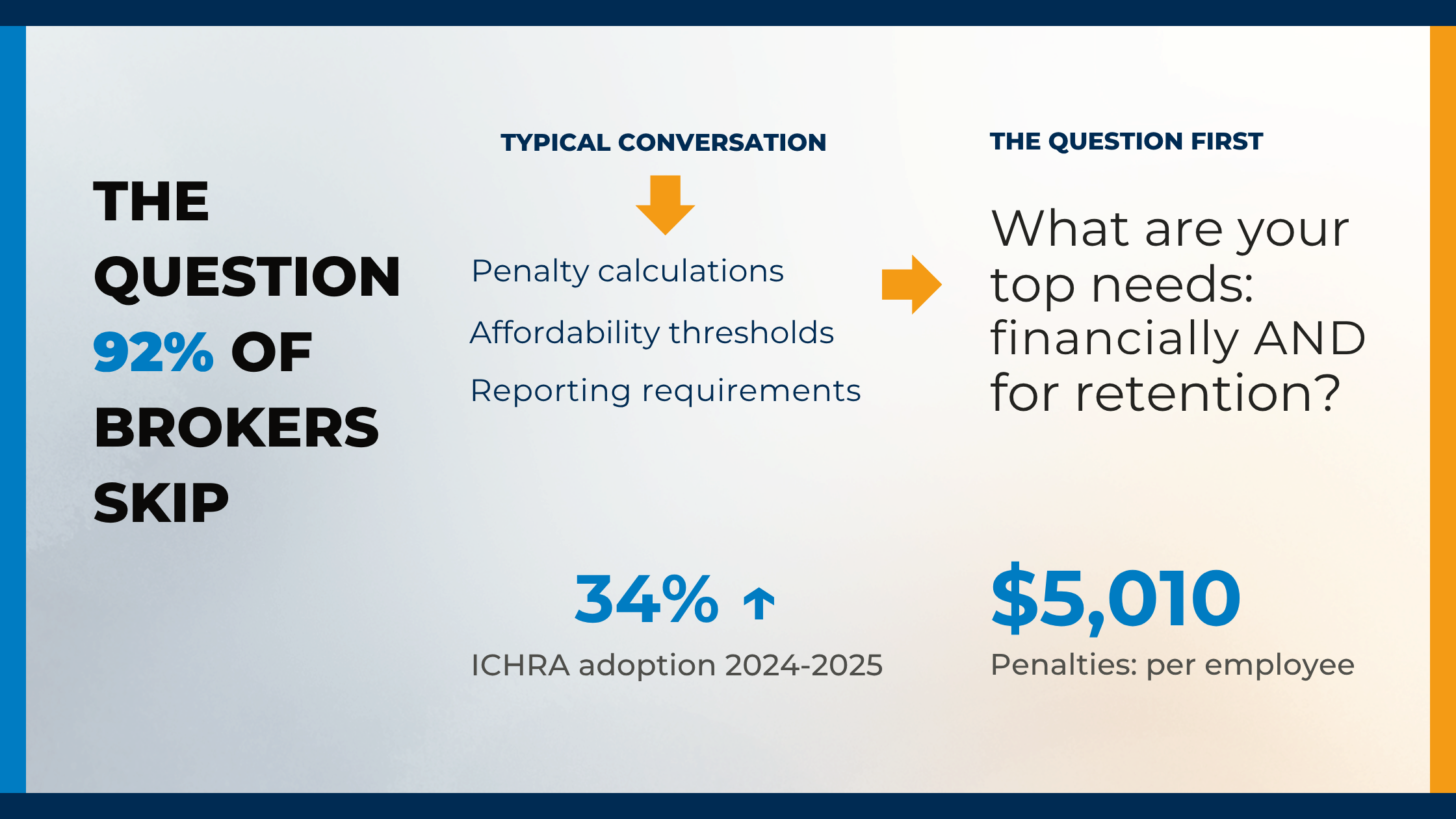
With 2026 ACA changes now in effect, many employers are facing new cost pressures and more complicated benefits decisions. But too often, the conversation starts and ends with penalty avoidance instead of asking what the employer actually needs from its benefits strategy.
- The right ACA conversation should start with business goals. Employers need to evaluate compliance not only from a financial standpoint, but also through the lens of recruiting, retention, employee experience, and long-term workforce stability.
- High-turnover workforces require more than a standard compliance solution. Staffing companies, restaurants, hospitality groups, and security employers often deal with constant eligibility changes, variable hours, new hires, terminations, and administrative complexity that generic solutions will not handle well.
- ICHRA can be valuable, but implementation matters. A properly administered ICHRA can give employees more plan choice while helping employers manage costs and compliance risk. But without clear communication, accurate eligibility tracking, and employee support, even a technically compliant program can fall short.The 2026 ACA changes are already here. Employers should not settle for a benefits strategy that simply checks a box. The right broker should be able to explain how each solution supports compliance, controls risk, improves the employee experience, and fits the reality of a high-turnover workforce.
