
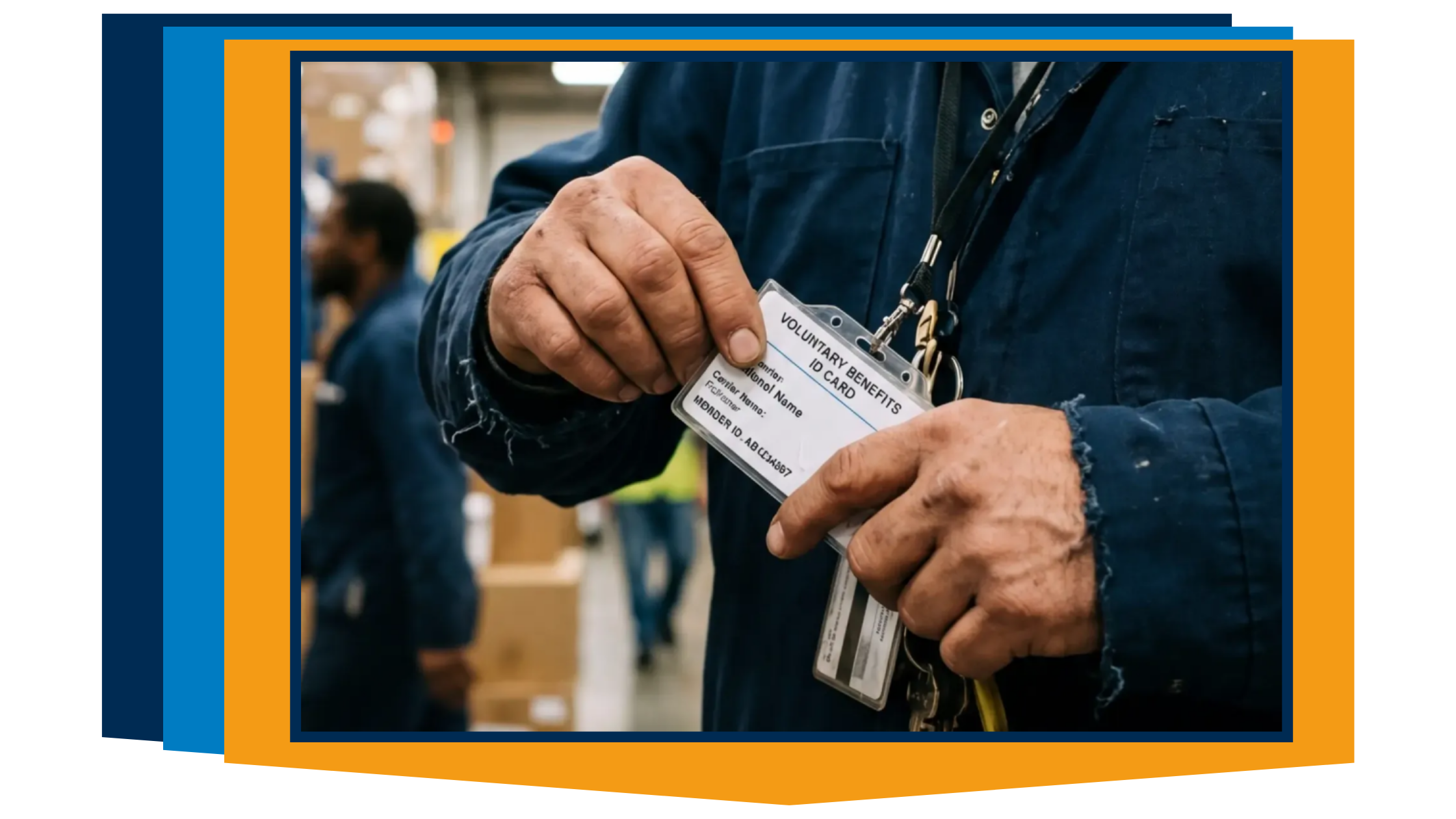
Voluntary benefits can be a powerful tool for hourly workforces, but only when employees can actually understand, access, and use them. Many employers invest in medical, dental, vision, life, and disability coverage, then assume the benefits are failing when enrollment stays low or turnover remains high.
In many cases, the real issue is not the benefits themselves. It is the administration behind them.
- Enrollment has to work quickly and clearly. In high-turnover environments, the window to explain benefits, complete enrollment, and get employees what they need is short. Delays, confusion, missing ID cards, or unclear next steps can damage trust fast.
- Benefits must match the financial reality of hourly workers. A plan may look good on paper, but if it is not affordable, meaningful, and easy to use, it may not provide real value to employees living paycheck to paycheck.
- Administration can build or destroy trust. When claims, eligibility, payroll deductions, or service issues break down, employees often blame the employer. A poorly administered program can turn a benefit meant to support retention into a source of frustration. Voluntary benefits can support recruiting and retention, but only when the full system is designed for high-turnover, hourly-wage workforces. The right benefits, paired with clear communication and strong administration, can help employees feel supported and give employers a stronger reason for workers to stay.
